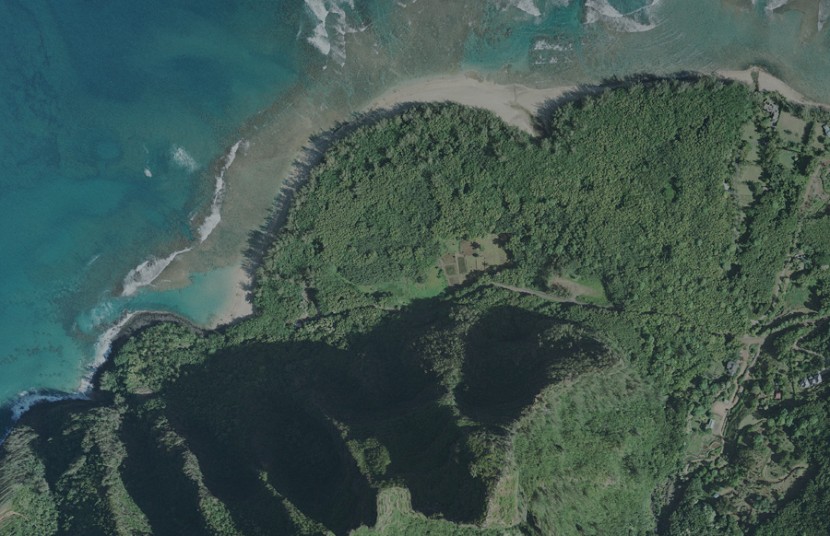
This past Saturday PBR Hawaii hosted an open house for Kauai residents to voice their opinions, concerns and needs for the proposed Ha’ena State Park Master Plan.
Residents voiced concerns regarding plans disrupting existing taro fields and trees, as well as the need for educational stations for visitors to assist with monk seal, wildlife and reef preservation.
PBR Hawaii, a Landscape Architecture, Land Planning, Environmental Studies, and Graphic Design firm based in Hawai’i for more than 45 years is working with State Parks and the Ha’ena community to refine and adopt a park master plan for Haena State Park. As one of the State’s and Kauai’s most visited parks, it is also home to significant cultural, historic, natural and scenic resources as well as the entry point for the popular Kalalau Trail. The project builds upon previous park planning efforts with greater focus on the importance of Ha’ena in Hawaiian culture and attempts to tackle the parking and traffic problems. The park’s popularity with visitors along with its cultural and historic significance requires a plan that protects the park’s rich and varied resources as well as balances the sometimes conflicting ecological, cultural and recreational uses.
The new plan outlines a single entry, controlled access park with hours from 7:30 a.m. to 5:30 p.m. with entry fees of $5 per car, or $1 per person. According to the master plan revisions summary from DLNR, the goal is to reduce use to 900 persons per day during controlled access hours.
According to the new plan, parking with a little more than 100 spaces would be in two designated areas — one for fee-paying park users (non-residents) and one for fee-exempt park users.
Fee-paying park users would be allowed to enter the park only if they have a pre-paid entry receipt, and that would apply to any type of entry — bikes, shuttle, arriving on foot or via vehicle.
The plan is also to close the existing road, Route 560, from the park entry point — which is near the present parking lot — to the parking area at Ke’e, and replace it with a pedestrian path. Limited use of the existing road would be allowed for authorized personnel, such as lifeguards, emergency responders and parks staff.
The park entry area will include a turnaround, shuttle bus stop, a 20-by-30 welcome hale, and restrooms.